Crude tools were used to create incredible temples, an advanced water canal system, and the Trail of the Feathered Serpent during the Chichen Itza equinox.
It is sometimes difficult to fathom the truly awesome nature that is the remains of ancient Mayan culture. For instance, Chichen Itza history is one of the mathematical complexities, brutal sacrifices, and a sculptural phenomenon that wows and inspires the world. There is no better time to visit this masterful civilization of the Yucatán Peninsula than at the Chichen Itza equinox of spring or fall.
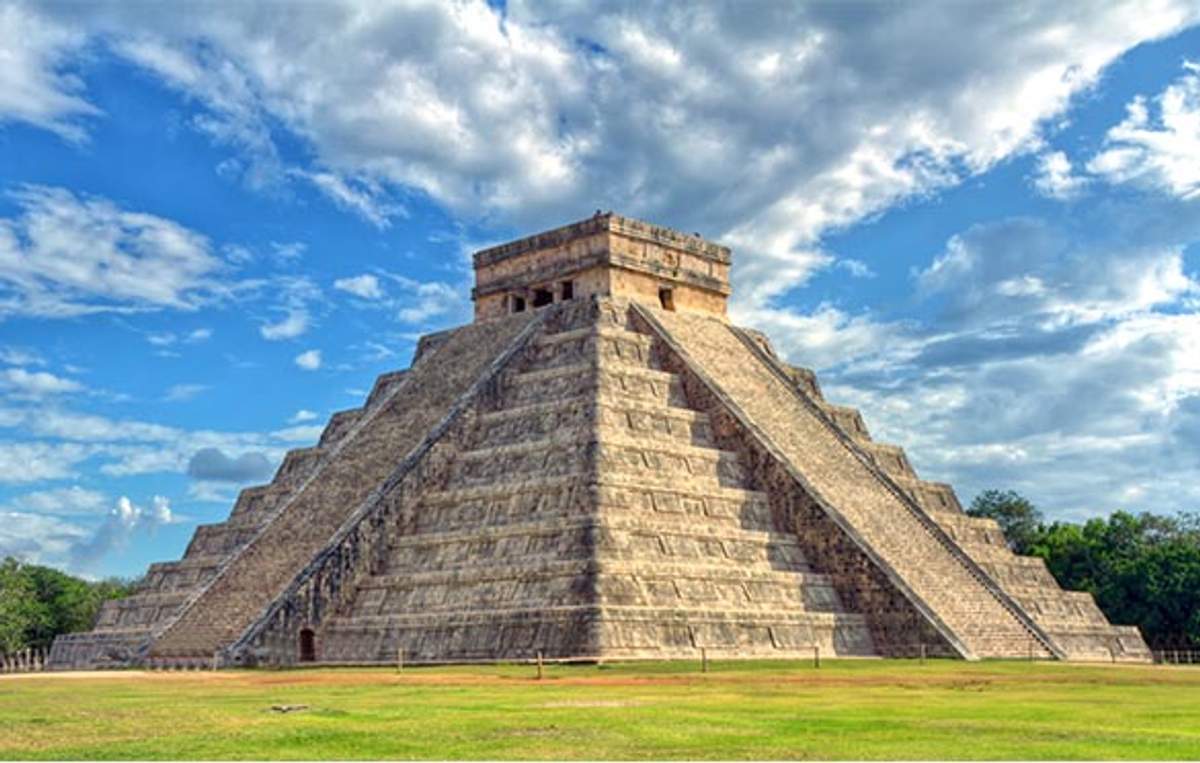
Chichen Itza History
The civilization known as Chichen Itza was a large city built by the Mayans and thrived from about 600 to 1200 AD. The expanse of the city, its mammoth temples and buildings, and the construction of a pressurized system that provided water to the city are all the more astonishing when you realize it was all built with tools of stone and wood—and manual labor only.
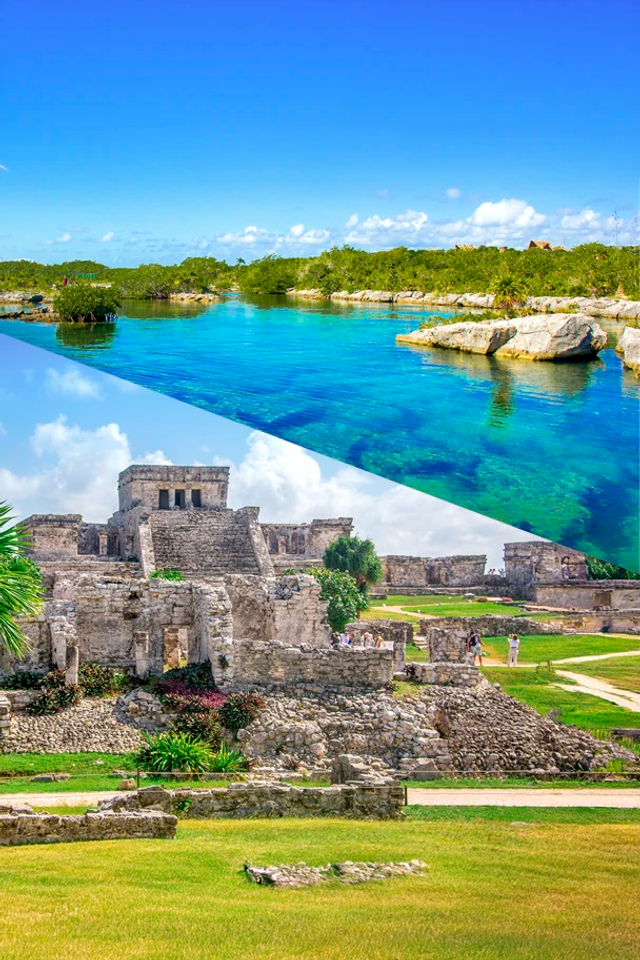
The location of Chichen Itza was chosen because of its large cenote or well, which is also how it got its name. Chichen Itza translates to “Mouth of the Well.”
Historians believe that the Mayan people were intellectually advanced, even more so than the Greeks and Romans. They had developed an elaborate mathematical concept, which included the idea of “0” (zero) before either the Romans or Greeks. Chichen Itza grew to be one of the largest Mayan cities thanks to its water system and its network of roads built to enhance trade.
This intellect may seem in contrast to their somewhat barbaric practices of human sacrifices, in the cenote or at certain temples, to the gods to whom they believed blood was the only adequate food. They also had a practice of filing their teeth to sharp points, done as a cosmetic gesture, not as a weapon or defense.
As Mayan civilizations to the south deteriorated, the population of Chichen Itza grew. It was not until the arrival of the Spanish Conquistadors that the Mayan people abandoned this wondrous metropolis to find shelter in the jungle in the form of small villages.
In 1988, Chichen Itza was declared a World Heritage Site, and on July 7, 2007, it was added to the list of The New Seven Wonders of the Modern World.
The Wonder of the Chichen Itza Equinox
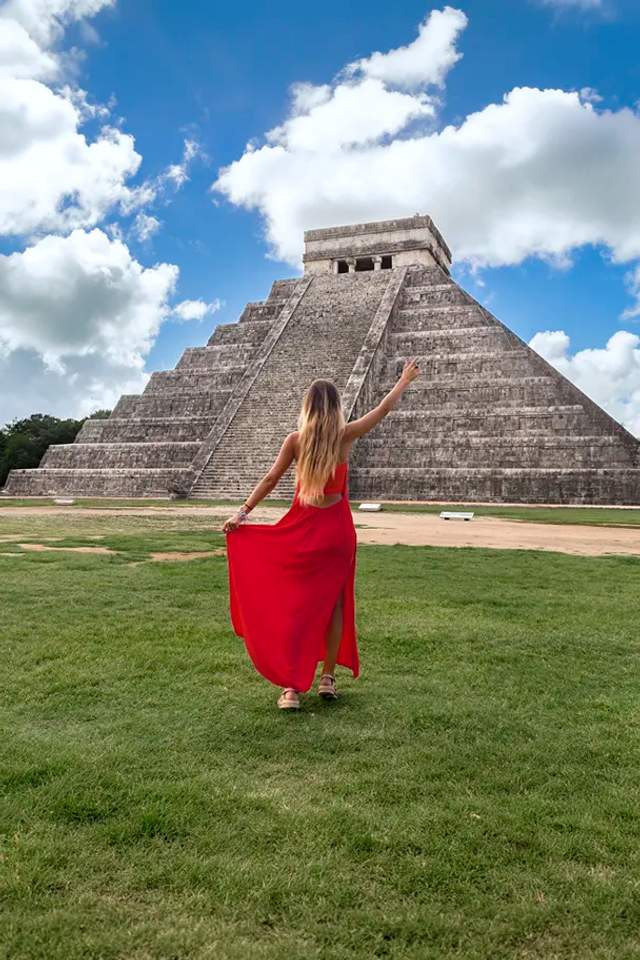
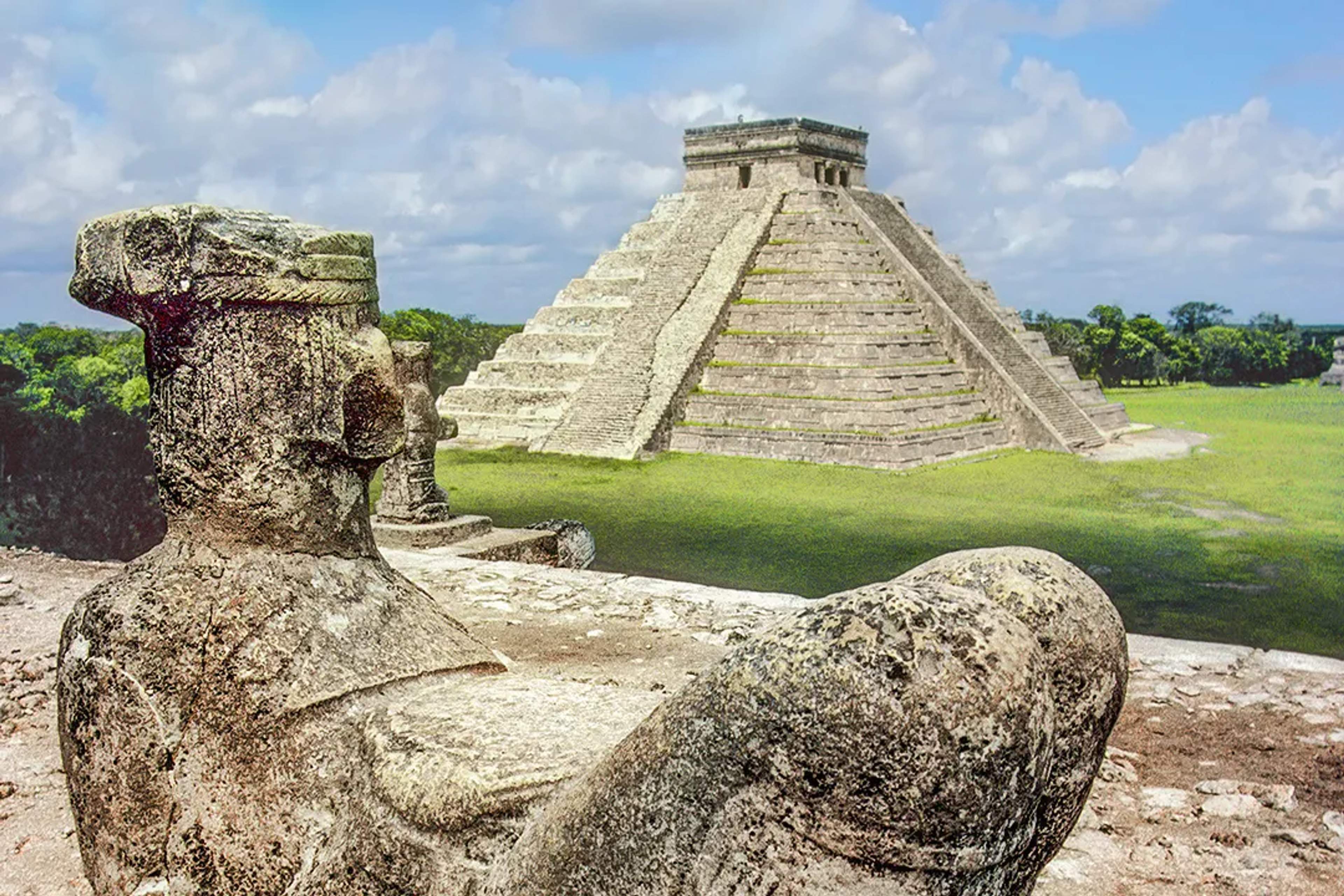
The equinox was very important to the Mayan civilizations as it marked the beginning of their planting season. While preparing to build the Temple of Kukulkan, they tracked the movement of the sun. Using their astounding comprehension of geometry and astronomy, they constructed the temple, also known as “El Castillo” or “The Castle” or “The Pyramid of Kukulkan,” to produce a wondrous light show at each equinox.
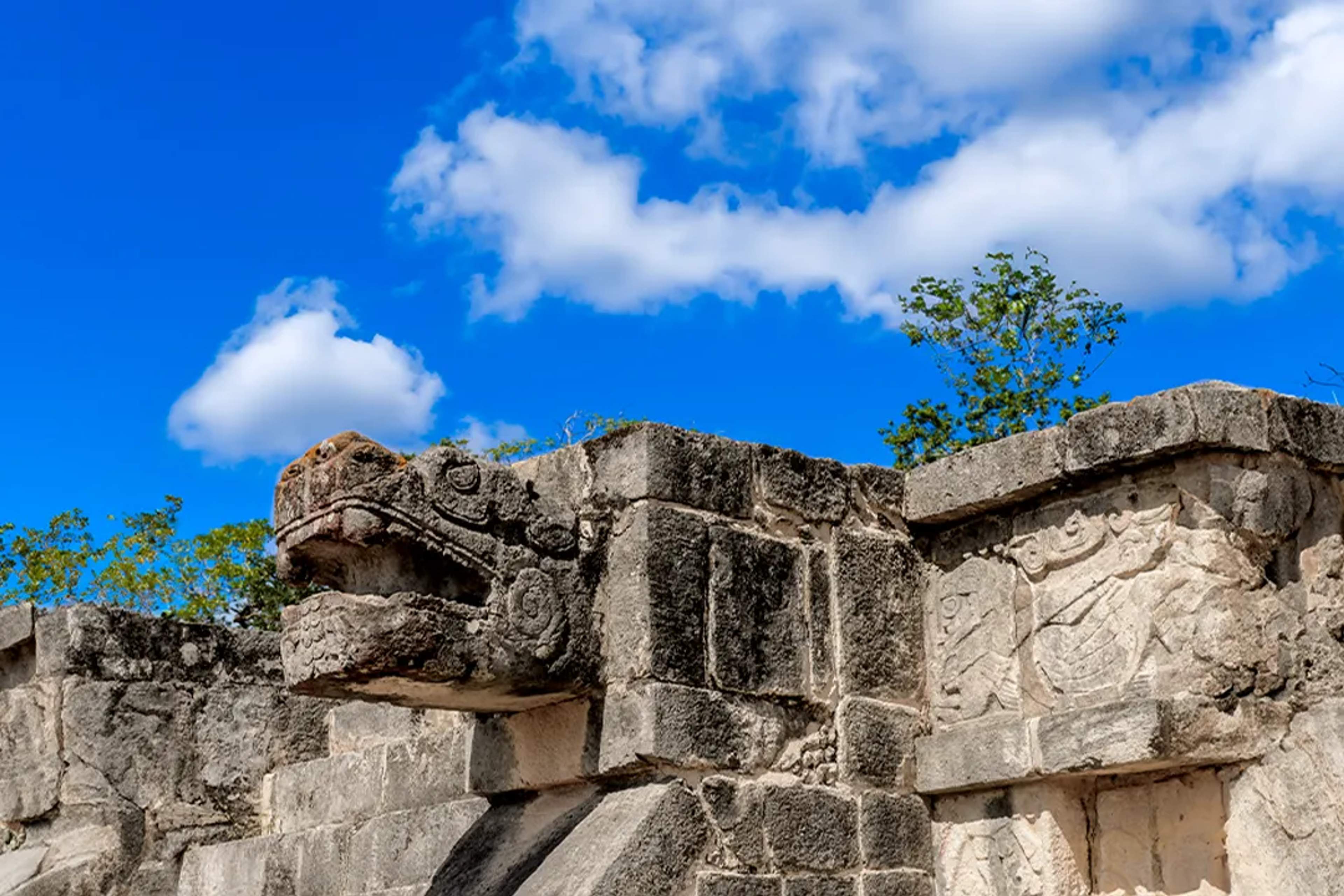
Every March, thousands of people gather at the Temple of Kukulkan for the Chichen Itza equinox, to watch the “Descent of the Feathered Serpent.” By charting the movement of the sun over time, the Mayans harnessed nature as art. As the sun sets, seven reversed isosceles triangles of shadow “crawl” down the pyramid until, at last, the light illuminates the head of the feathered serpent.
If you want to be close enough to view the entire phenomenon, you will need to get to Chichen Itza early in the day. (Please note that the scheduled tour we provide is not at this time of the day.) Pack plenty of sunscreen, water, and food, because it will get hot. The display of the Chichen Itza equinox on the serpent is from about 3:45-4:30 pm, and can be observed from about March 19-21 and September 22-24.
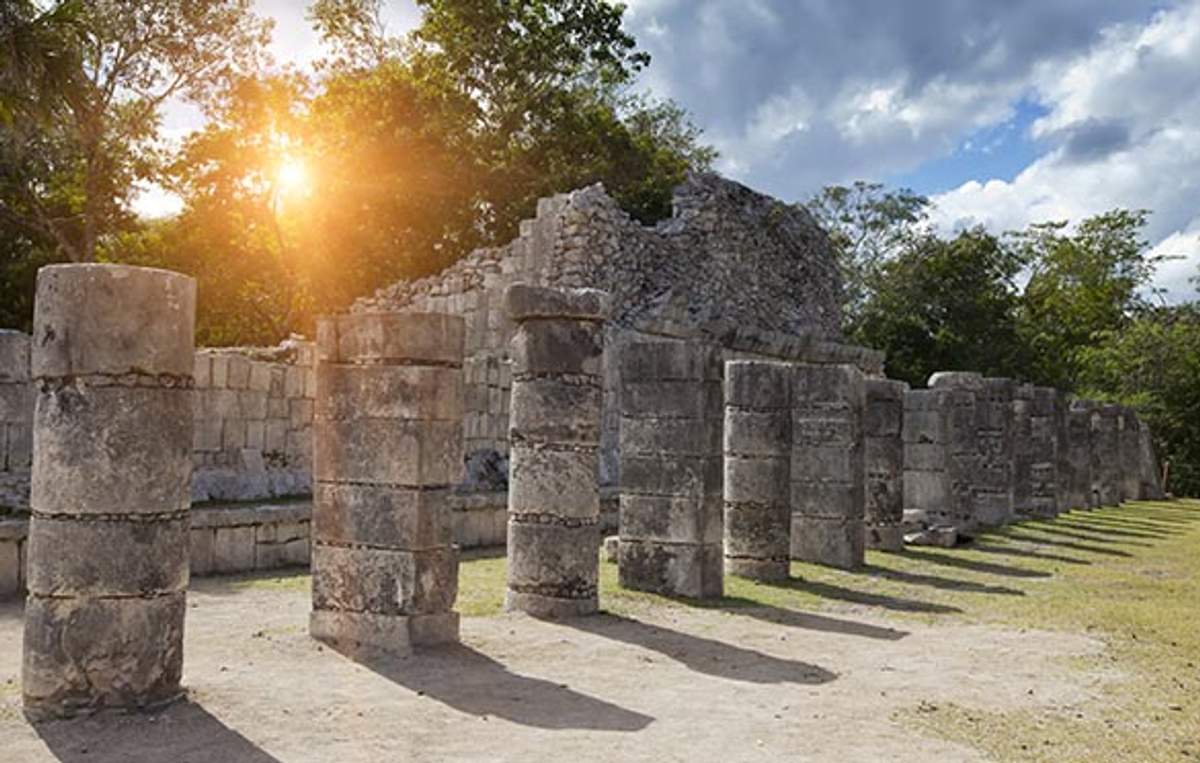
There is much more to see at Chichen Itza than just the Temple of Kukulkan, so you can easily make a day of it. The best way to enjoy this wonder of the world is to book a tour with a company like Cancun Adventures so you have no worries about transportation and parking.